This guide covers everything to sort before a liveaboard in Truk Lagoon, the Chuuk Lagoon in Micronesia: level, paperwork, flights, kit, money and life on board. The operator asks for Advanced Open Water or equivalent and at least 50 logged dives. Most wrecks sit between 18 and 40 metres, which is why the operator recommends deep and nitrox training. Bring your own torch, check your US entry rules if you fly through Guam, and book rental and gas early.

At a glance
| Boat | Pacific Master, 12 cabins, up to 20 guests |
|---|---|
| Route | Truk Lagoon, 9 nights (7, 8 and 10 night trips also exist) |
| Embark and disembark | Weno, Chuuk. Boarding from 15:00 (flight dependent), disembarkation at 07:00 |
| Minimum level | Advanced Open Water or equivalent, 50 logged dives |
| Recommended | Deep Diver (40 metres); nitrox; Tec 50 or equivalent for technical divers |
| Dives | Up to 4 a day, up to 30 on 9 nights |
| Wreck depths | About 10 to 64 metres; most dives 25 to 35 metres |
| Water temperature | 28 to 30°C all year |
| Visibility | 10 to 30 metres |
| Currency | US dollar |
| Time zone | UTC+10, no daylight saving |
| Plugs on board | Not published by the operator; ask us before you pack adaptors |
| Best months | Diveable all year; trade winds from December to March can bring some chop |
Certification, logged dives and documents to bring
The operator’s mandatory requirement for Truk Lagoon is PADI Advanced Open Water, or equivalent, with a minimum of 50 logged dives. For recreational divers it recommends Deep Diver certification (40 metres), and for technical divers PADI Tec 50 or equivalent. It also says nitrox certification is highly recommended.
Technical and rebreather divers must have the relevant certification and experience for the depths and type of diving they plan to do. The fact pack we hold does not list courses on board for Truk Lagoon, so if you are below the minimum or want deep or nitrox training, do it with your training agency before you travel. Ask us if you are unsure whether your cards count as equivalent.
What to have ready
- Certification card (physical or app) showing Advanced Open Water or higher
- Logbook or dive app showing at least 50 logged dives
- Nitrox card, if you plan to dive nitrox
- Deep, wreck, technical or rebreather cards for the diving you intend to do
- Dive insurance documents (see Health and insurance)
Pacific Master also runs separate Bikini Atoll itineraries in the Marshall Islands, which start from Ebeye Island. Those trips are for technical divers only: the operator requires technical certification to at least 45 metres, 100 or more logged dives and wreck diving experience. This guide is about Truk Lagoon; Bikini has its own rules and its own travel advice.
Getting there from the UK
Chuuk International Airport is on Weno, the main island of Chuuk State. United Airlines serves it from Guam and from Honolulu on the Island Hopper route. From the UK you connect in Guam or Honolulu for the Island Hopper flight to Chuuk. The Island Hopper does not fly every day, so check schedules before you fix dates.
The operator includes the transfer between Weno airport and the vessel on embarkation and disembarkation days. Boarding starts from 15:00, depending on flight schedules, and there is no diving on embarkation day. Disembarkation is at Weno at 07:00. With few flights and long connections, consider a night in Chuuk or Guam before boarding as a buffer against delays. We can help you choose flights that fit your boarding and leaving times.
Entry, visas and travel advice
This summary is based on the UK government’s FCDO travel advice for Micronesia, checked on 3 November 2026. Rules change, so check the latest FCDO advice before you travel.
- Your passport must have an expiry date at least 120 days after the date you arrive.
- British passport holders do not need a visa for stays of 30 days or less.
- You may be asked for a return or onward ticket. If you do not hold an entry permit, you complete a Customs, Immigration and Quarantine (CIQ) form on arrival.
- FSM has strict customs rules, so declare anything that may be prohibited or taxed.
Flying through Guam or the US
The Guam Visitors Bureau says entry rules for Guam are the same as for any US destination. The FCDO says you need an ESTA or a US visa to enter or transit the US. Guam has its own arrival requirements, which can change, so check them for your routing before you travel. Read the FCDO USA entry requirements and check the latest FCDO advice before you travel, and check with your airline which authorisation fits your exact routing.
Health and insurance
We cannot give medical or fitness-to-dive advice. Here is what to check and who to ask.
- TravelHealthPro advises seeing a health professional ideally at least four to six weeks before travel, and earlier if you have a pre-existing health problem. The FCDO suggests checking vaccine advice at least 8 weeks before your trip. Use TravelHealthPro for vaccinations and mosquito advice.
- TravelHealthPro and the FCDO list dengue as a risk in Micronesia.
- Ask a doctor, ideally one with diving medicine knowledge, whether you are fit to dive.
- The FCDO says medical facilities are limited and that serious cases may need evacuation to Guam or Australia.
What to check in your insurance
DAN Europe notes that dive policies differ on depth limits, technical diving, hyperbaric treatment, evacuation and non-diving emergencies. Before you go, read your policy and check:
- It covers the depths you will dive (wrecks here go well past 30 metres)
- It covers technical or rebreather diving, if you do it
- It covers hyperbaric treatment and medical evacuation from a remote Pacific island
- It covers non-diving illness and trip cancellation or delay
The FCDO advises insurance that covers local treatment and unexpected medical evacuation. We do not recommend any one policy.
Money on board
The US dollar is the official currency. The FCDO says most hotels accept cards and ATMs are limited. Plan how you will pay before you land. We are checking which payment methods the boat accepts on board and will confirm before you travel.
What is included
- Transfers between Weno airport and the vessel on embarkation and disembarkation days
- Full board with breakfast, lunch, dinner and snacks, plus unlimited tea, coffee, fruit juice and soft drinks
- Up to 4 dives a day at recreational depths, with a single 11 litre (AL80) cylinder and air fills
- Weights, weight belt and DSMB
What you pay on board
Nitrox, equipment rental, extra cylinders, alcoholic drinks, merchandise, crew and guide gratuities and the obligatory surcharges are not included. The applicable local taxes and permit fees are added to your on-board bill and paid on the boat before disembarkation.
- Marine park and port fees: the operator currently charges US$265 per person on the 9 night trip (checked 3 November 2026; confirm before travel).
- Chuuk Airport departure tax: a departure tax applies when you leave; we confirm the current amount and how it is paid before you travel. Check the latest FCDO advice before you travel.
- Fuel surcharge: one may apply to your departure; we confirm the current amount before you travel.
The operator says all surcharges can change at any time. The operator does not publish tipping guidance for this trip; ask us and we will find out.
What to pack

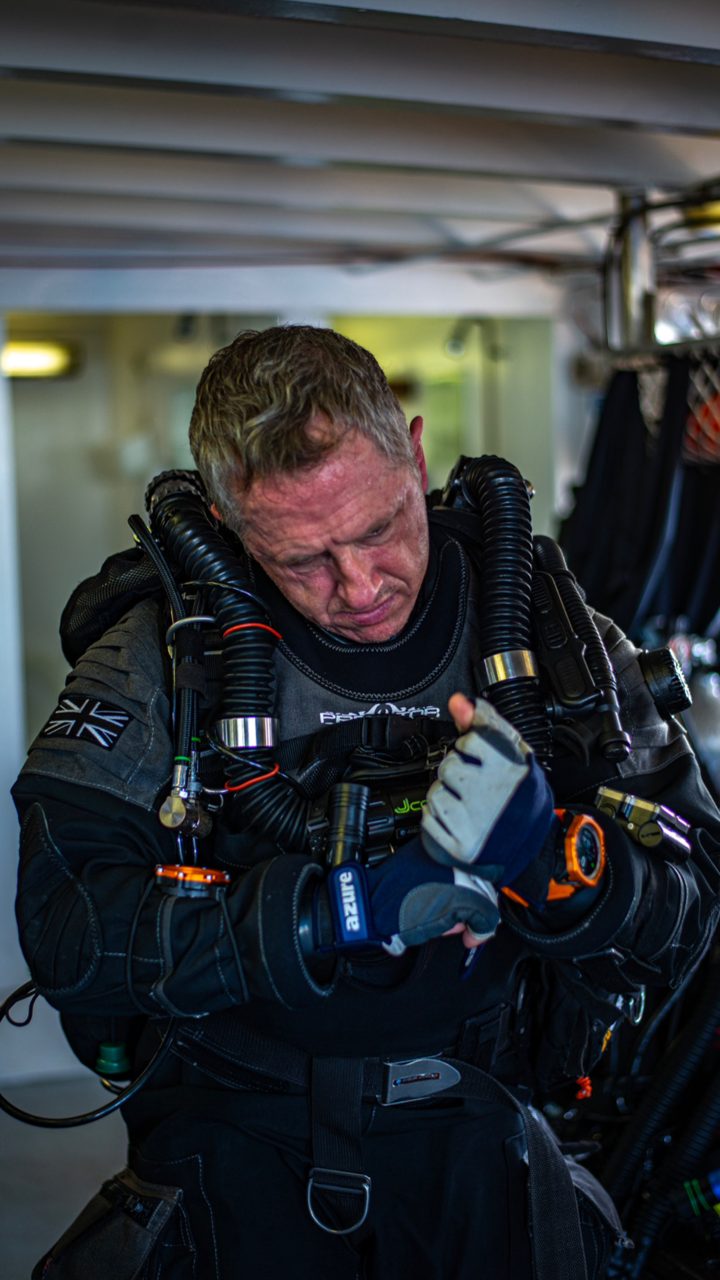
Dive kit
- A dive torch: torches are mandatory for anyone penetrating a wreck and none are available to rent on Pacific Master
- Your own dive computer. Computers can be rented at extra cost.
- A full-length 3mm or 5mm wetsuit: the operator says 3mm suits those who do not feel the cold or will not dive past about 30 metres, and 5mm gives wreck divers more protection and warmth on longer dives
- Mask, fins, boots, reels or spools you are trained to use, and spare straps and O-rings
- A DSMB is included, but bring your own if you prefer it
Rental and nitrox
- Rental equipment, standard nitrox and extra cylinders can be pre-booked and pre-paid when you book.
- Equipment must be pre-booked so the right sizes are on board.
- The full recreational set is BCD, regulators, mask, fins, boots and a 3mm full-length wetsuit. Wetsuits and BCDs are only available to rent on Truk Lagoon trips.
- Technical kit to rent includes full tec sets, tec regulator sets, harness, backplate and wing, 13.2 litre singles, manifolded twins, stage cylinders and CCR cylinder sets.
Technical and rebreather divers
- Send your gas and equipment requests as early as possible.
- The operator currently charges 0.08 USD per litre of oxygen and 0.35 USD per litre of helium, with a minimum fill charge of 10 USD (checked 3 November 2026; confirm before travel).
- Helium and trimix are generally only available for rebreathers.
- Gas cannot be banked, and unused gas is still charged.
- Sofnolime comes in 20kg tubs only, must be requested in advance and is paid for on board; the operator currently charges 450 USD per 20kg (checked 3 November 2026; confirm before travel).
- Most CCR cylinders have 3/4 NPS neck threads, a few have M25, and you must bring your own adaptors if your unit needs M26.
Clothes and personal items
- Light clothes, a warm layer for the air-conditioned lounge and a rain jacket
- Sun cream, hat and sunglasses for the sun deck
- Seasickness remedies, if you need them (ask a pharmacist): the route includes overnight sailings
- Any prescription medicines in original packaging, with a copy of the prescription
- Insect repellent for time ashore
Camera kit and charging
- Pacific Master has a dedicated camera area for photographers.
- Pack wide-angle lenses and strong video lights: engine rooms and holds are dark
- Bring a multi-way adaptor and spare batteries; we will confirm the boat’s socket type before you travel
Documents
- Passport valid for at least 120 days after arrival
- US entry authorisation matching your routing
- Return or onward ticket
- Certification cards, logbook and insurance details
- Your gas and equipment request confirmation, if you sent one
A day on board Pacific Master
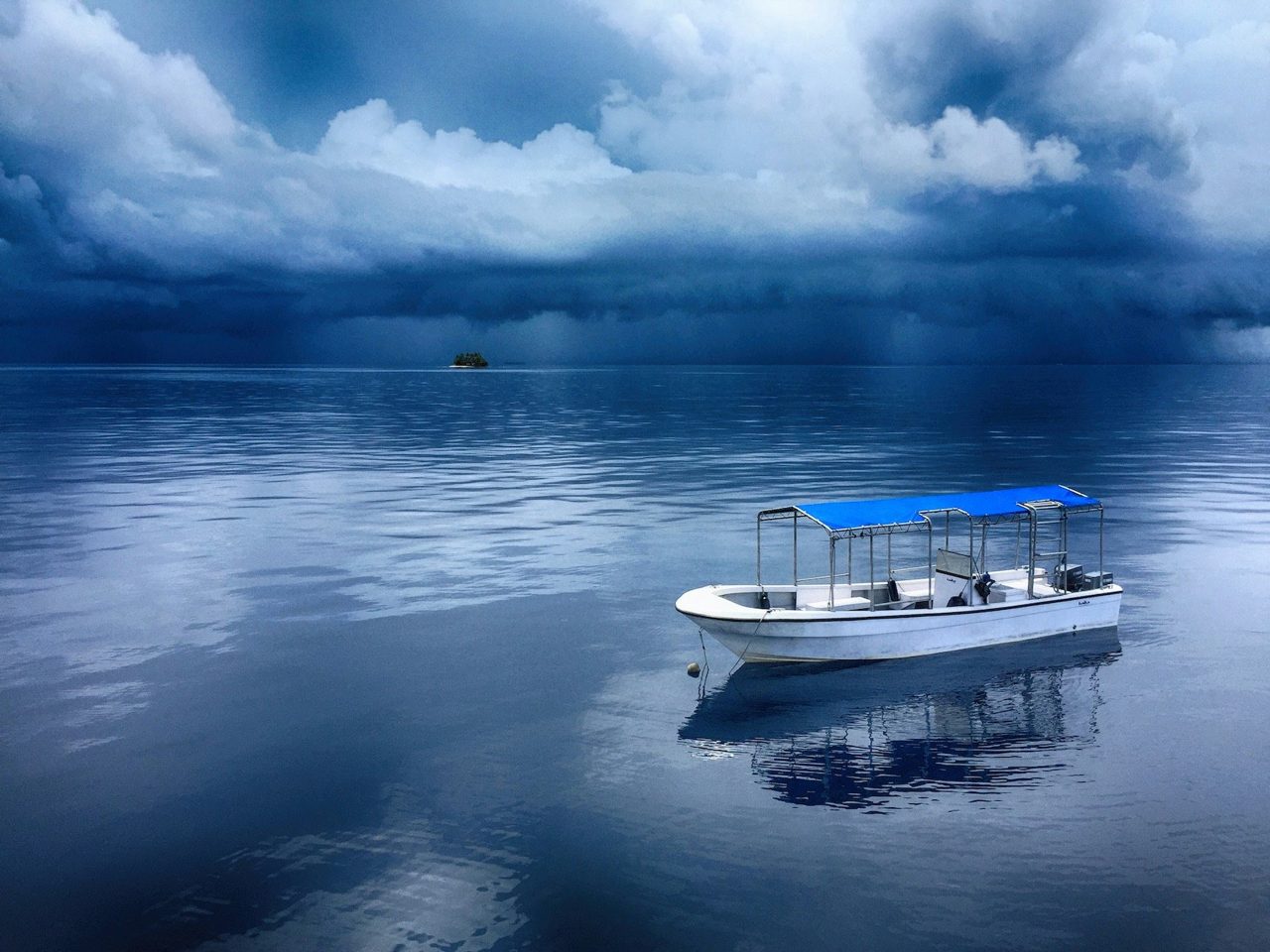
Pacific Master is a steel-hulled diving vessel that previously sailed in the Solomon Islands as M/V Taka. She has a large air-conditioned lounge and dining area on the main deck, with DVDs and large TVs, and a sun deck with loungers.
A typical diving day
- Light breakfast, briefing and dive 1
- Full breakfast, rest, briefing and dive 2
- Lunch, rest, briefing and dive 3
- Snack, rest, briefing and dive 4 where possible
When the boat is anchored inside the lagoon, the fourth dive may be a night dive. Most wreck dives go straight from the main vessel onto the wreck. The itinerary is an example only and stays at the Captain’s discretion, depending on weather, logistics and guests’ experience.
Cabins
Pacific Master has one en-suite premium double cabin, five en-suite premium double or twin cabins, four standard single cabins and two standard twin cabins with shared bathrooms. Upper-deck cabins have en-suite bathrooms and individually controlled air conditioning. Lower-deck standard cabins share bathrooms on the dive deck and have centrally controlled air conditioning.
Dive deck, power and wifi
The dive deck has individual kit stations with storage, toilets, freshwater showers and rinse tanks. Wi-Fi data packages are sold on board, subject to availability, and cannot be paid for in advance. The operator does not publish socket types or voltage; we will confirm before you travel.
Diving conditions to prepare for
Truk Lagoon, properly called Chuuk Lagoon, holds more than 60 wrecks, from supply ships (Maru) to aircraft and a submarine, inside a coral reef lagoon. Most were sunk during the US-led Operation Hailstone in February 1944, when the lagoon was a major Japanese naval base. Holds still carry aircraft parts, tanks, torpedoes, trucks and ammunition, along with bottles, cooking utensils and personal belongings.
How deep are the wrecks?
Most wrecks lie within recreational depth limits at 18 to 40 metres, with average dive depths of 25 to 35 metres. Other wrecks sit at 40 to 64 metres and are only for suitably qualified technical divers. The 9 night trip visits wrecks from about 10 metres to more than 60 metres.
| Example wreck | What the operator says |
|---|---|
| Fujikawa Maru | A 132 metre armed cargo ship sitting upright on a sandy bottom, with parts of Zero fighter aircraft in the holds |
| Kensho Maru | Upright at a maximum of 38 metres, superstructure at 18 metres, with an easily accessible engine room |
| Shinkoku Maru | A large oil tanker heavily encrusted with corals and sponges |
| Rio de Janeiro Maru | A former passenger ship on her port side at 35 metres, upper deck at 9 metres |
| Betty Bomber | A Mitsubishi G4M bomber on the seabed at 18 metres |
| San Francisco Maru | Upright at 60 to 62 metres, with tanks on deck at 50 metres: technical divers only |
Which wrecks you dive depends on the weather, the group and the Captain’s plan, so treat this as a taste rather than a promise.

Seasons and conditions
| Months | Water | What to expect |
|---|---|---|
| December to March | 28 to 30°C | Trade winds can bring slight chop |
| April to November | 28 to 30°C | Diveable, as all year |
The operator notes that adverse weather can affect the route, which includes several overnight sailings. The FCDO says the islands are at risk from tropical cyclones, so follow local advice if a storm is forecast.
Marine life
The wrecks have become artificial reefs, and channels through the outer reef bring in reef sharks and schooling pelagics. Whitetip, blacktip and reef sharks, manta rays and turtles are often seen. Sightings are never guaranteed. For a wider view of seasons across our destinations, see compare dive destinations month by month.
Responsible diving

- The wrecks are protected, and removing anything from them is prohibited. Take photos only.
- The wrecks are a reminder of those who lost their lives during Operation Hailstone, so treat them with respect.
- Local taxes and permit fees apply; the operator adds them to your on-board bill.
- Keep fins and hands off coral-covered structures, and secure gauges and consoles so they do not drag.
- Follow your guide’s and the Cruise Director’s briefing on depth, routes and penetration.
Can I penetrate the wrecks?
The operator plans each day so recreational and technical divers can explore the wrecks at their own level, and torches are mandatory for anyone going inside. Technical and rebreather divers must have the certification and experience for the type of diving they intend. Follow the Cruise Director’s briefing for every dive.
Your pre-trip checklist
4 weeks or more before
- Check passport validity (120 days after arrival)
- Book flights that fit a 15:00 boarding and a 07:00 disembarkation
- Apply for the US entry authorisation your routing needs
- See your GP or a travel clinic, and a doctor about fitness to dive
- Buy dive insurance that covers depth, evacuation and hyperbaric treatment
- Pre-book rental kit and nitrox; send gas and equipment requests
- Finish any deep, nitrox or wreck courses
1 week before
- Check the latest FCDO advice for Micronesia
- Service your regulators and computer, and test your torches
- Plan how you will pay on board and get some US dollars
- Check Guam arrival requirements for your routing
Day before
- Pack cards, logbook, passport and insurance details in your hand luggage
- Charge cameras, lights and computer
- Confirm your transfer details with us
On board
- Listen to the boat and safety briefings on day one
- Tell the dive team your gas plan and any limits
- Settle your on-board bill, including taxes and fees, before disembarkation
Truk Lagoon liveaboard pre-trip questions
How deep are the Truk Lagoon wrecks?
Most wrecks lie at 18 to 40 metres, with average dive depths of 25 to 35 metres; others sit at 40 to 64 metres and are for technical divers only.
Do I need nitrox for Truk Lagoon?
It is not mandatory, but the operator highly recommends nitrox certification, and standard nitrox can be pre-booked and pre-paid.
Can I penetrate the wrecks?
The operator plans each day so divers can explore the wrecks at their own level. Torches are mandatory for anyone going inside a wreck and cannot be rented on board.
What wetsuit for Truk?
Water is 28 to 30°C; the operator suggests a 3mm or 5mm full-length suit, with 5mm better for deeper, longer wreck dives.
What certification do I need?
Advanced Open Water or equivalent with at least 50 logged dives; Deep Diver (40 metres) is recommended.
How do I get to Truk Lagoon from the UK?
Fly to Chuuk International Airport on Weno, on United’s Island Hopper from Guam or Honolulu; the transfer from the airport to the boat is included.
Do I need a visa for Micronesia?
The FCDO says UK passport holders do not need a visa for stays of 30 days or less, and you need an ESTA or US visa to enter or transit the US. Check the latest FCDO advice before you travel.
Is Bikini Atoll the same trip?
No. Bikini Atoll is a separate Pacific Master itinerary from Ebeye, Marshall Islands, for technical divers only.
Truk Lagoon asks more of you than a reef trip: more depth, more planning and more kit. Sort the paperwork, training and gas early and you can give the wrecks your full attention. Read more about Truk Lagoon liveaboards and Pacific Master, then Truk Lagoon liveaboard departures. If anything here is unclear, ask us. Real people answer.
Planning more than one trip? Read the Palau pre-trip guide.
Leave a Reply